A tattoo pain chart can be a starting point, but the right placement also depends on your design and how you use your body.
Reading a tattoo pain chart
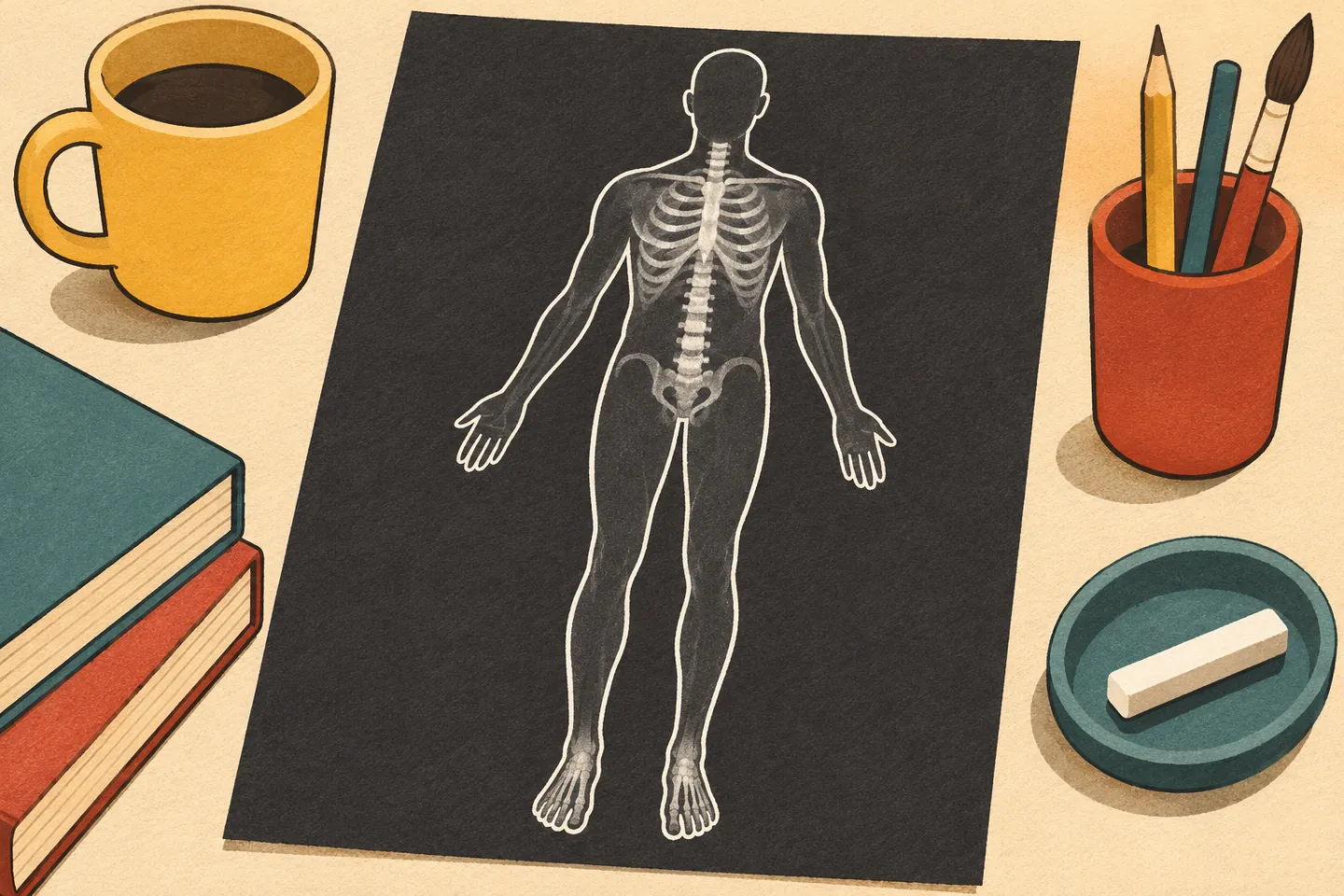
Pain is personal, so we don't put scores on body parts or promise a painless appointment. Use this guide as a starting point when you talk to your artist:
- Ribs, feet, hands and the spine are bonier or thinner-skinned and tend to be more sensitive.
- The outer arm, thigh and calf are fleshier and tend to be less sensitive by comparison.
The distinction isn't a prediction of how your appointment will feel. Consider the size and position of your design alongside the sensitivity of the area.
Pick a position that suits the piece
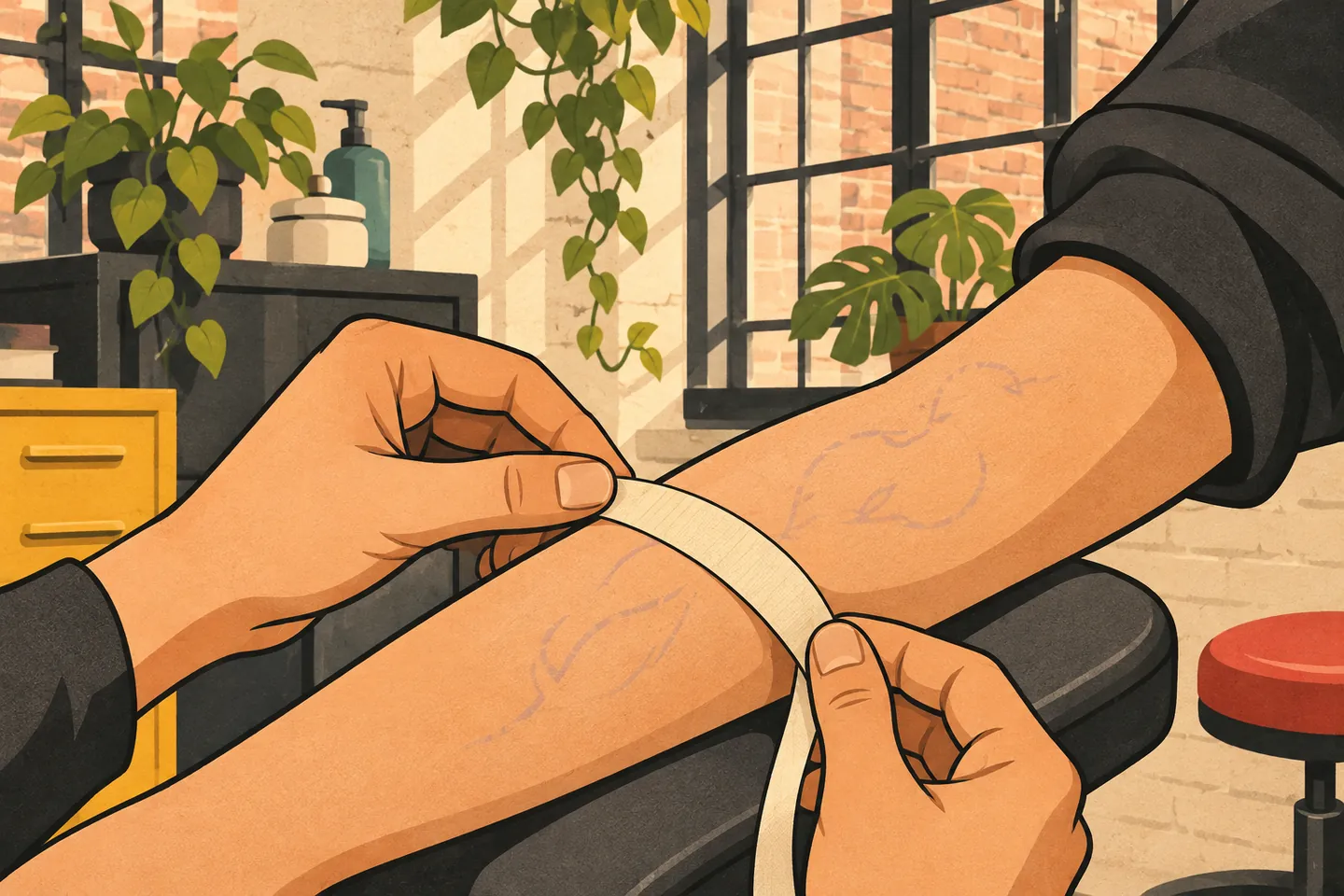
Think about the space your idea needs. A long design may sit differently on an arm from a more compact one; the curve of the body is part of the choice. Tell your artist which areas you're considering and let them see the space you have in mind.
Your artist can advise on placement during the design discussion. They may suggest a change to the position or size so that the piece fits the area. You can look at recent work to see how different designs use the available space, then discuss the options for your own idea.
Give the detail room
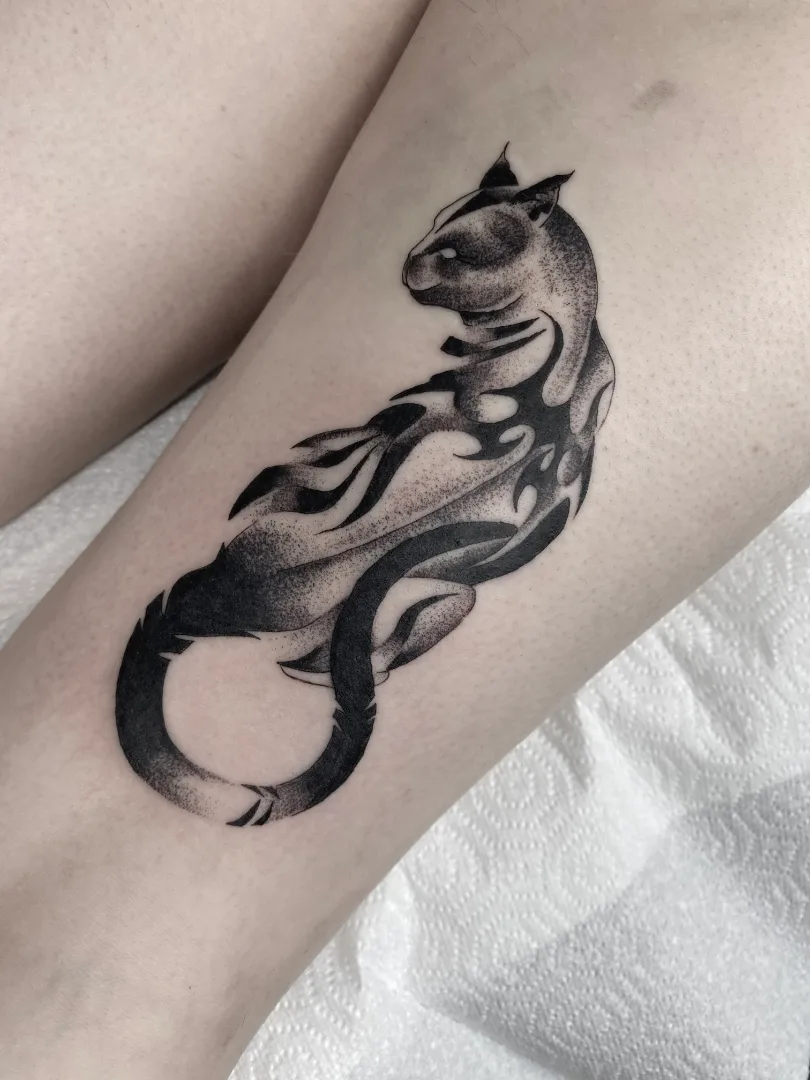
Small and detailed don't always mix well. Fine detail needs enough space to be legible, and squeezing more elements into a tiny area can make the design harder to read. Decide which parts matter most to you before settling on a size.
If your chosen area is small, your artist can talk through a less crowded design or a larger placement. Bring examples of the features you want to keep, as well as any features you could leave out. Your artist can then work out which features fit the space without crowding the drawing.
Think about wear
Hands, fingers and feet get a lot of rubbing and exposure in daily life. Sun and friction can affect a tattoo over time, and work in these areas may need touch-ups more often. We can't promise how any individual tattoo will age.
If you want a finger or foot tattoo, mention that placement in your enquiry. Your artist can discuss what everyday rubbing and sun exposure might mean for the design you have in mind.
Make yourself comfortable
Eat beforehand and get some sleep before the appointment. Wear clothes that give access to the area without making it awkward to sit. Tell your artist how you're feeling and ask for a break if you need one; you don't have to sit in silence and hope they notice.
These are general wellbeing points, not medical advice. If you have a health concern or you're worried about healing or a reaction, ask your artist, a pharmacist, your GP or NHS 111 for advice.
At our Sheffield studio, we can talk through the design, size and placement before a date is confirmed. Tell us your idea.